
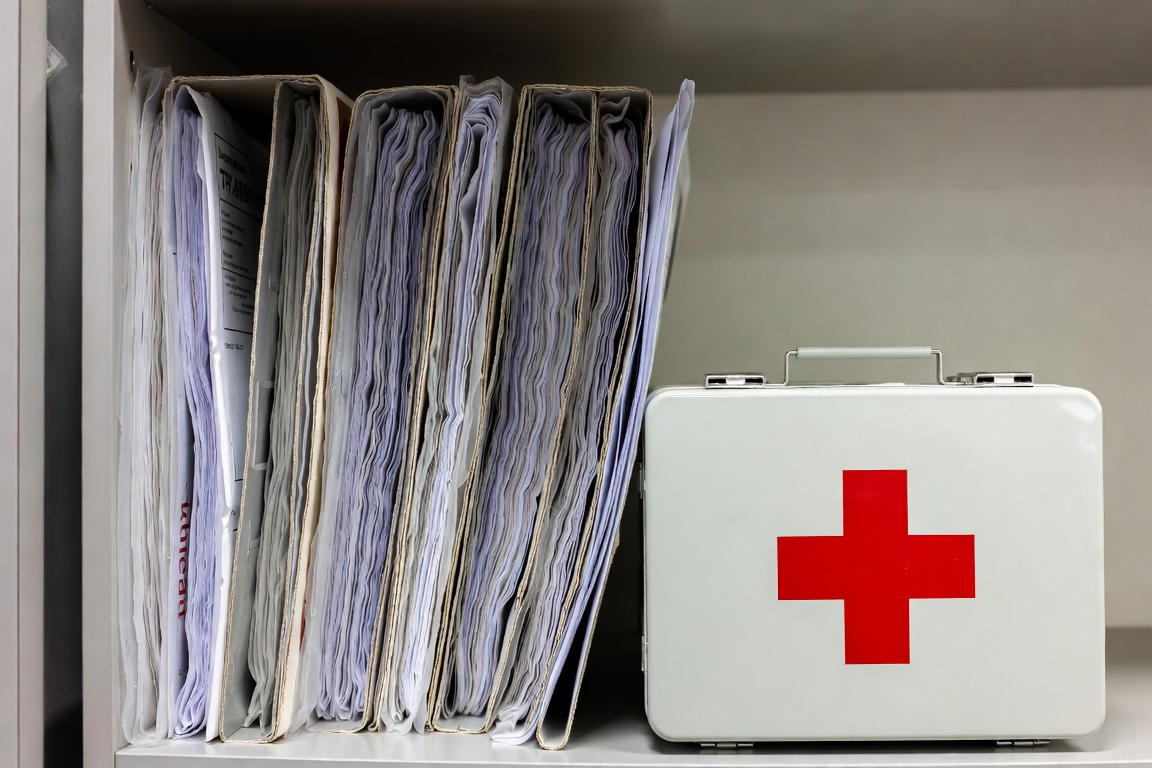
Financial preparedness is not pessimism — it is protection. The steps you take before a crisis determines how much damage it can do.
Preparedness Is Not Pessimism
Some people resist financial preparedness because it feels like planning for bad things to happen. This is a misunderstanding. Preparedness does not attract bad outcomes — it limits the damage from bad outcomes that will happen regardless. People who maintain emergency funds, diversified income, and clear financial documentation do not experience more financial crises. They just recover from them faster and with less damage.
Financial preparedness is an act of self-care and self-respect. It says: I matter enough to protect, and so does my household.
Your Emergency Fund Target
The foundational preparedness tool is an emergency fund. A three-month emergency fund — enough to cover all essential expenses for three months without any income — is the standard target. For households with variable income or employment, six months is more appropriate.
If you do not have this fund, start building it immediately, even if the initial contributions are small. The process of building it is itself preparedness — each contribution adds protection and builds the habit of financial self-insurance.
Document Preparedness
Gather and organize your key financial documents: bank account information, insurance policy numbers and contacts, important account numbers, and the contact information for any financial service providers you use. Store these in a secure location — ideally both physically and digitally, with backup access.
If an income disruption or emergency occurs, having these documents organized and accessible saves hours of stressful searching at exactly the moment when your attention is needed elsewhere.
Income Diversification
A household whose income depends entirely on a single source is more vulnerable than one with even a small secondary income stream. This does not require a second job — it might mean a skill you can monetize occasionally, a service you could offer when needed, or savings adequate to bridge a gap. The goal is not complexity but resilience: ensuring that one event cannot eliminate your household’s entire income simultaneously.
Even small steps toward income resilience — a marketable skill, a professional network that could surface opportunities, a small business idea held in reserve — add meaningful preparedness at low ongoing cost.
Disclosure: This site may receive compensation when you click on links or complete offers through our partners. Content is for informational purposes only and does not constitute financial advice.